Walking the Via Francigena in Sections — A Multi-Year Guide
Most people can't take 100 days off to walk 2,000 km from Canterbury to Rome. The good news: you don't have to. The Via Francigena is ideal for section walking — completing it over several years, a week or two at a time. Here is how to plan a multi-year pilgrimage.
Why section walking works
The Via Francigena is naturally divided into country and regional sections that make clean one- or two-week trips:
- England: Canterbury to Dover (2–3 days) — a long weekend.
- France (north): Calais to Reims (~10 days) — a classic first section.
- France (south): Reims to Besançon (~12 days) — Champagne and Burgundy.
- Switzerland + the Great St Bernard: Lausanne to Aosta (~6 days) — the Alpine highlight (June–September only).
- Po Valley: Vercelli to Parma (~8 days) — flat, hot, food-rich.
- Tuscany: Lucca to Radicofani (~12 days) — the scenic heart.
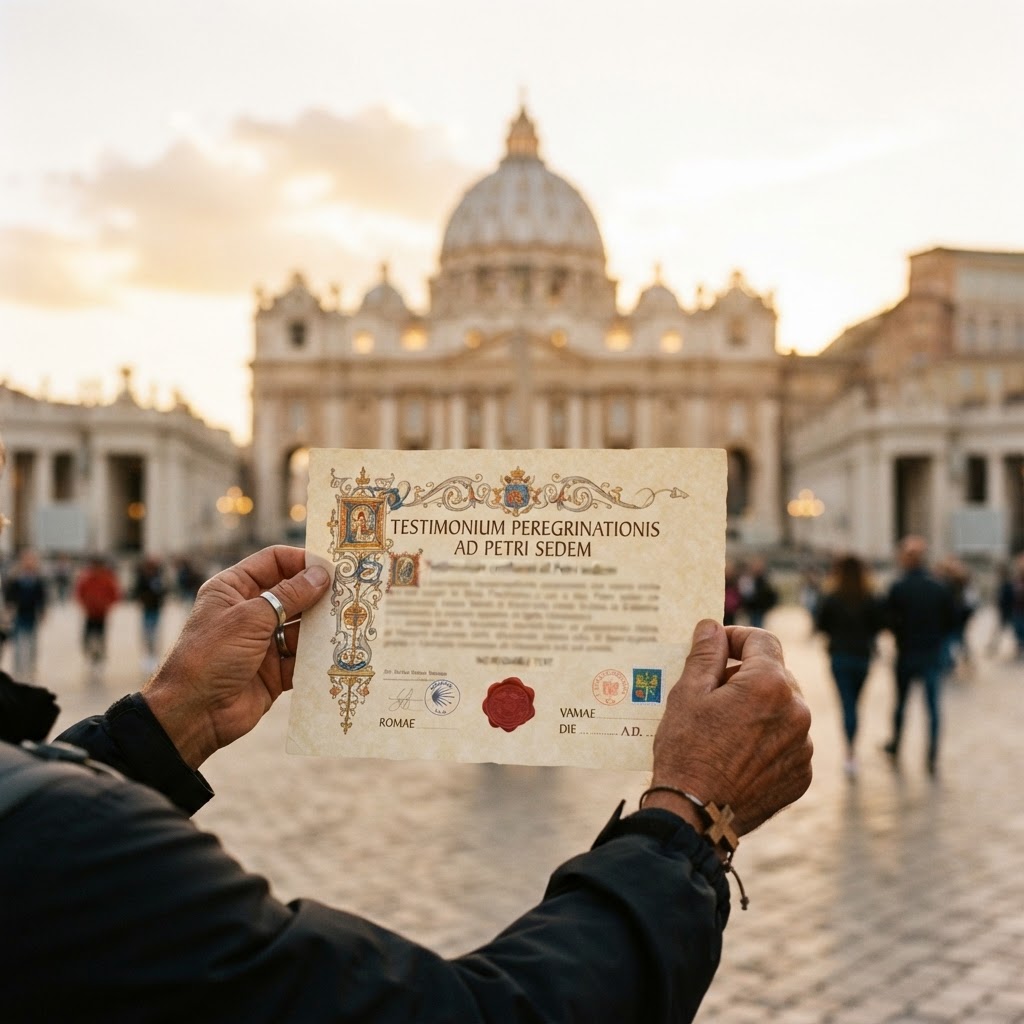
- Lazio / last 100 km: Acquapendente to Rome (~7 days) — the Testimonium section.
Each section is a self-contained trip with its own airports, trains in and out, and accommodation. You can walk one section a year for seven years and finish the whole route.
The credential across years
Your pilgrim credential stays valid across years — most associations issue one credential per route that you stamp over multiple trips. Keep it safe between sections (a waterproof sleeve, in a drawer). When you reach Rome, the Opera Romana Pellegrinaggi will honour stamps collected over several years as long as the final 100 km are walked continuously in one trip.
How to plan a section
- Pick a section with clean transport endpoints (e.g. fly into Geneva, walk Lausanne → Aosta, train out from Aosta to Milan).
- Use the planner to map the stages, set your daily distance, and see the overnight towns.
- Book accommodation 1–2 days ahead in summer; popular Tuscan and Roman stages fill up.
- Carry your credential from your first section; keep stamping.
- Resume where you left off next time — fly or train to your last finish town and walk on.
Keeping continuity
- Mark your finish point precisely (the town and the accommodation) so you resume from exactly there.
- If you're close to a border, finish in the next country's first town for a cleaner resume point.
- Don't skip stages — the satisfaction is in the continuous line from Canterbury to Rome, walked one section at a time.
Which section to start with
If you're new to the route, start with Lucca to Siena (Tuscany) or Acquapendente to Rome (the Testimonium section) — both are beautiful, well-serviced, and short enough for a first trip. If you want the full Canterbury-to-Rome line in order, start with Calais to Reims and work south over the years.
Section walking is how most modern pilgrims complete the Via Francigena. It's no less a pilgrimage — it's just spread across the seasons of your life. Use the planner to map your first section and start the line.
Explore the Via Francigena
Via Francigena
Plan your Via Francigena
Most pilgrims can't take 100 days off. How to walk the Via Francigena in sections over several years — where to start, how to resume and keep the credential valid.