The Via Francigena
Walk the ancient pilgrim road from Canterbury to Rome — across England, France, Switzerland and Italy on a 2,000 km journey of faith, history and self-discovery.
What is the Via Francigena?
The Via Francigena ("the road that comes from France") is the historic pilgrimage route from Canterbury in England to Rome, first recorded in 990 AD when Archbishop Sigeric of Canterbury walked to Rome to receive his pallium from the Pope. For over a thousand years, pilgrims have followed this path across four countries to the tomb of St Peter.
Today, thousands of walkers from around the world retrace Sigeric's route — through the chalk downs of Kent, the Champagne vineyards, the Alps and the Great St Bernard Pass, down through the Aosta Valley, across the Po plains, and over the rolling hills of Tuscany and Lazio to Rome.
Marked with red-and-white waymarks and supported by a growing network of pilgrim accommodation, the Via Francigena is quieter and more varied than the Camino de Santiago — a genuinely cross-border journey through the heart of Europe. Many walkers call it the Camino to Rome.
Personal Growth
The daily rhythm of walking across four countries creates space for reflection, clarity, and transformation. Many pilgrims arrive in Rome with a renewed sense of purpose.
Community
Meet walkers from every country along the way. The shared journey through alpine villages and Tuscan towns builds lasting friendships.
Adventure
Cross the English Channel, the Great St Bernard Pass, and the Apennines — and pass through Canterbury, Reims, Lausanne, Aosta, Lucca, Siena and Viterbo on the way to Rome.
The Route
The Route — Canterbury to Rome, across England, France, Switzerland & Italy
The Via Francigena
Via Francigena
65dCanterbury → Rome
Quick Start: Last 100km
Walk the final 100km of the Via Francigena to qualify for the official Testimonium — the certificate of arrival awarded in Rome.
Via Francigena Guides
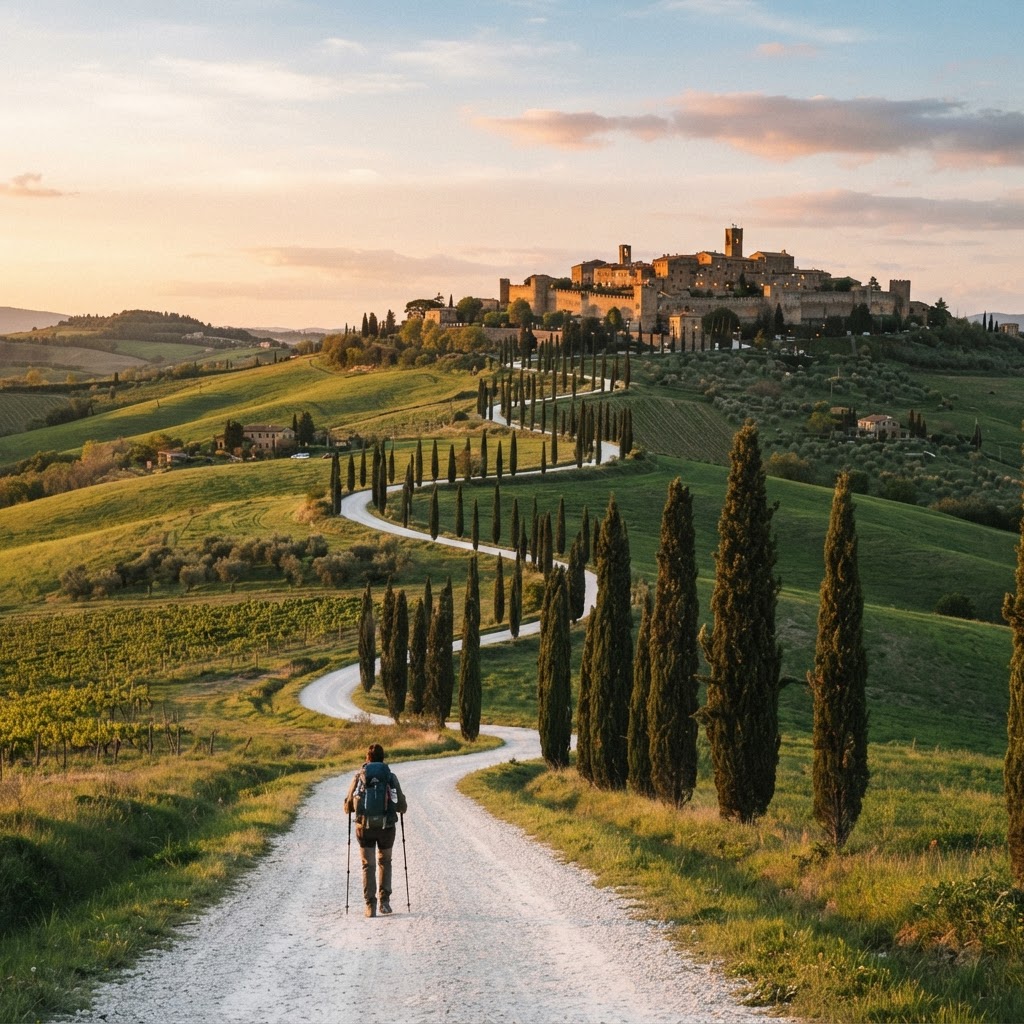
Via Francigena — Complete Guide to Walking Canterbury to Rome
A complete guide to the Via Francigena: the 2,000 km pilgrimage from Canterbury to Rome through England, France, Switzerland, and Italy — route, regions, planning, and the Testimonium.
Read article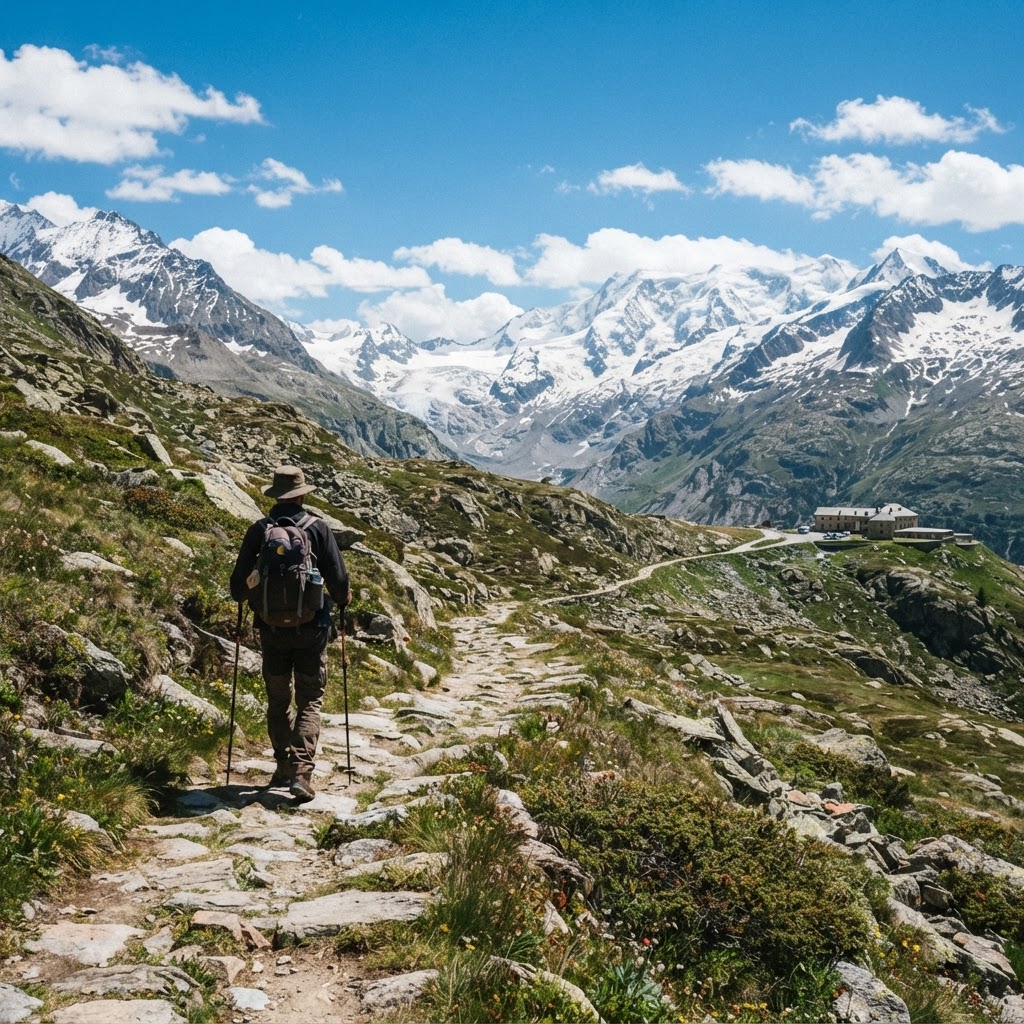
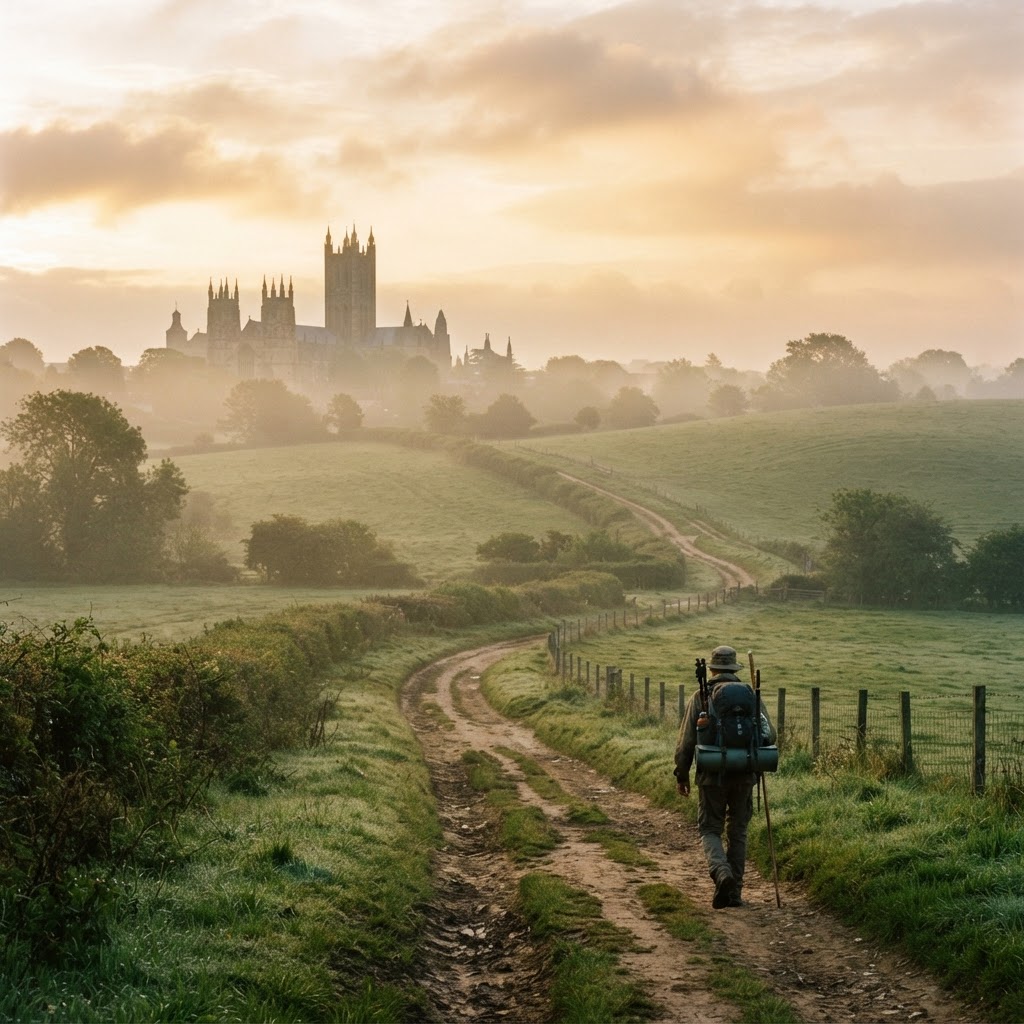
How Many Days Does the Via Francigena Take?
How long the Via Francigena takes: typical durations for the full 2,000 km and the most popular sections, pacing, rest days, and how to fit it into your schedule.
Read articleWhen to Walk the Via Francigena (Season & Weather Guide)
A season-by-season guide to walking the Via Francigena across four countries — the Alps, Tuscan heat, spring wildflowers, and the best months for each section.
Read article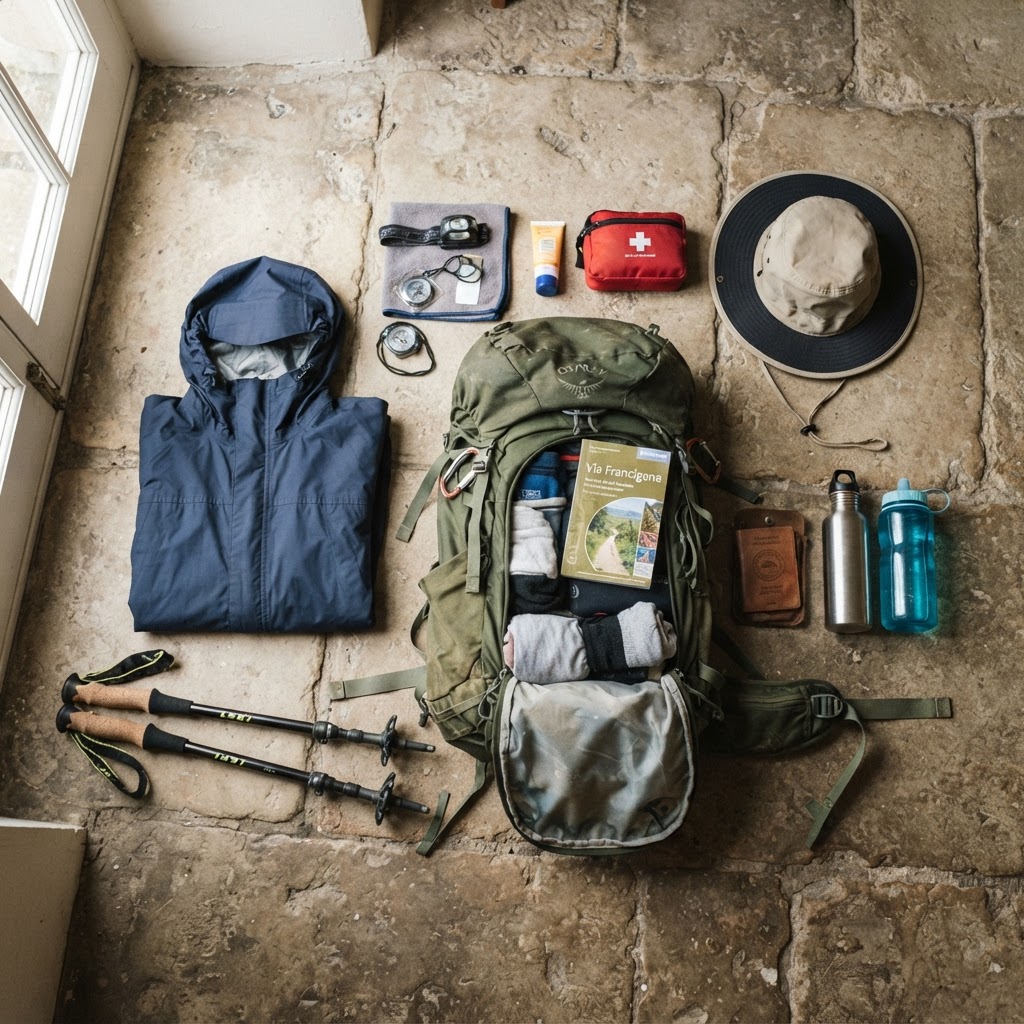
Via Francigena Packing List — What to Carry
A practical packing list for the Via Francigena: a light backpack, layered clothing for four climates, rain gear, blister kit, pilgrim credential, and what to leave behind.
Read article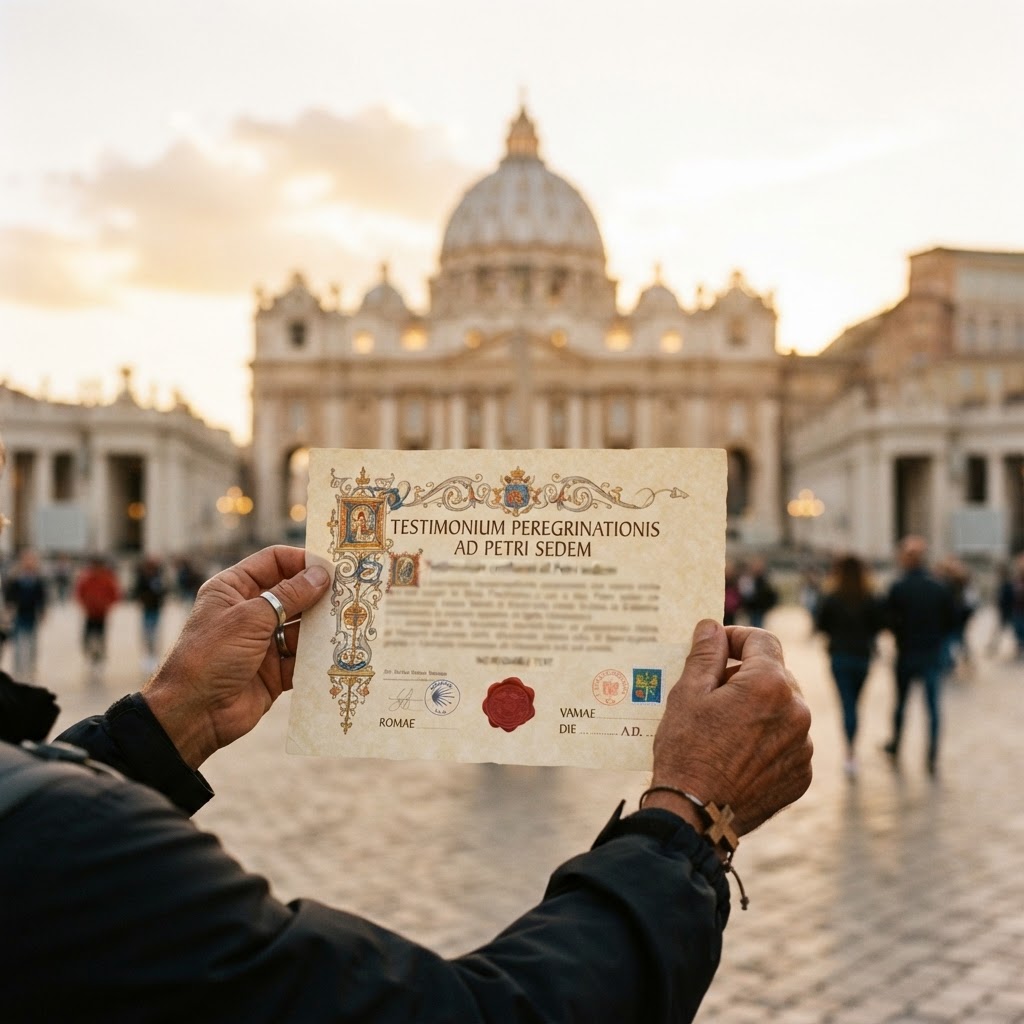
The Testimonium & Via Francigena Pilgrim Credential — Full Guide
How to earn the Testimonium in Rome: the pilgrim credential, where to get it, the 100 km rule, where to collect it, and what the certificate of arrival means.
Read articleHow Much Does the Via Francigena Cost? (Budget Guide)
A realistic daily and total budget for the Via Francigena across England, France, Switzerland and Italy — accommodation, meals, transport and country-by-country cost differences.
Read articleVia Francigena Difficulty & Fitness Guide
How hard is the Via Francigena? Terrain, daily distance, the Alpine stages and Apennines, and the fitness level you need to finish injury-free.
Read articleVia Francigena Accommodation Guide — Hostels, B&Bs & Hotels
Where to sleep on the Via Francigena: pilgrim hostels, convents, B&Bs and agriturismi — booking, dorm etiquette, pricing and country-by-country differences.
Read articleVia Francigena Food Guide — What & Where to Eat
What to eat on the Via Francigena: Champagne, Jura cheeses, risotto in Vercelli, ribollita in Tuscany and pecorino in Lazio — regional cuisine and the pilgrim food budget.
Read articleVia Francigena Stages — The Full 65-Stage Breakdown
The complete stage-by-stage breakdown of the Via Francigena from Canterbury to Rome: distances, elevations, surfaces and the key overnight towns.
Read articleThe Via Francigena in England — Canterbury to Dover
The first section of the Via Francigena: Canterbury Cathedral, the North Downs and the White Cliffs to Dover, where the ferry crosses to Calais.
Read articleThe Via Francigena in France — Calais to the Swiss Border
Walking the Via Francigena across France: Champagne vineyards, Laon, Reims cathedral, Langres and the Jura — the longest national section.
Read articleThe Via Francigena in Switzerland — Lake Geneva to the Alps
The Swiss section: Lausanne, the Lavaux vineyards, Martigny and the climb to the Great St Bernard Pass — the route's highest and most dramatic stages.
Read articleThe Via Francigena in the Aosta Valley
Crossing into Italy: Aosta's Roman ruins, Pont-Saint-Martin and Ivrea — the descent from the Alps into the Po Valley.
Read articleThe Via Francigena Across the Po Valley
The flat Po Valley stages: Vercelli's rice plains, Pavia's Certosa, Piacenza, Fidenza and Parma — long, straight walking on the Via Emilia.
Read articleThe Via Francigena in Tuscany — Lucca to Radicofani
The heart of the route: the Apennine crossing at Berceto, Lucca, San Gimignano, Siena and the Orcia valley — Tuscany's iconic stages.
Read articleThe Via Francigena in Lazio — Acquapendente to Rome
The final stretch: Bolsena, Montefiascone, Viterbo, Sutri and the ancient approach into Rome through Campagnano and Isola Farnese to St Peter's.
Read articleCrossing the Great St Bernard Pass on the Via Francigena
The route's highest point: the climb from Martigny to the Great St Bernard, the hospice, the tunnel alternative, season limits and how to prepare.
Read articleThe Via Francigena Pilgrim Credential — Where to Get It & How to Stamp It
The pilgrim passport (credenziale) of the Via Francigena: where to obtain it, how to stamp it, the associations that issue it and why it matters.
Read articleWalking the Via Francigena Solo — A Complete Guide
Walking the Via Francigena alone is safe and rewarding. How to prepare, meet people, stay safe across four countries and find your own rhythm.
Read articleVia Francigena Training Guide — How to Prepare Your Body
A practical training plan for the Via Francigena: weekly walking targets, back-to-back days, pack weight and strength work to finish injury-free.
Read articleVia Francigena Blister Prevention & Foot Care Guide
Blisters end more pilgrimages than any injury. Prevention: socks, shoes, taping, hot spots and the foot-care kit every Via Francigena walker should carry.
Read articleNavigating the Via Francigena — Red-and-White Waymarks & Maps
How to navigate the Via Francigena: the red-and-white waymarks, the pilgrim symbol, offline maps, GPX tracks and what to do when the waymarks thin out.
Read articleVia Francigena Safety & Insurance Guide
Is the Via Francigena safe? Crime, solo walking, the 112 number across four countries, EHIC/travel insurance and common-sense precautions.
Read articleHistory of the Via Francigena — From Sigeric to the Modern Revival
A thousand years of the Via Francigena: Archbishop Sigeric's 990 AD journey to Rome, medieval pilgrimage, decline and the modern revival of the route.
Read articleSigeric's Journey — The 990 AD Route That Defined the Via Francigena
In 990 AD Archbishop Sigeric of Canterbury walked to Rome and recorded 79 stages — the document that still defines the modern Via Francigena.
Read articleBest Via Francigena Apps & Maps (Offline GPX Guide)
The best Via Francigena apps and maps compared — the official Via Francigena app, Wise Pilgrim, OsmAnd — and how to download offline GPX tracks.
Read articleVia Francigena Baggage Transfer — Luggage Delivery Services
How to have your bag moved town to town on the Via Francigena: providers, costs, the sections covered and how the planner coordinates luggage inquiries.
Read articleThe Last 100 km of the Via Francigena — Acquapendente to Rome
Why the final 100 km from Acquapendente is the most popular Via Francigena stretch: stages, how it earns you the Testimonium and how to plan it.
Read articleWalking the Via Francigena in Sections — A Multi-Year Guide
Most pilgrims can't take 100 days off. How to walk the Via Francigena in sections over several years — where to start, how to resume and keep the credential valid.
Read articleWe use cookies to improve your experience and analyze site traffic. By clicking Accept, you consent to the use of cookies. Privacy Policy